Editor's Choice 2026

Build a Powerful DIY 2.1 Bluetooth Speaker from PVC Pipe

Stop buying expensive gear. Grab some pipes. Build real sound. This guide shows you how.

Compare products

As an Amazon Associate we earn from qualifying purchases. Links marked 'View on Amazon' are affiliate links.

Our Picks

Compare DIY 2.1 Bluetooth Speaker Made from PVC Pipe

Each product is independently evaluated and scored out of 10.

★ Top Pick
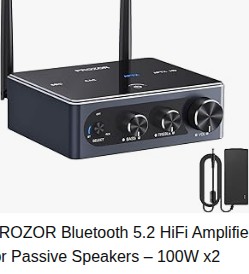
TPA3116D2 2.1 Amplifier Kit #1

TPA3116D2 2.1 Amplifier Kit

High-fidelity DIY audio projects

This is the core of your build. It handles power. And connectivity.

Pros

  • High power output
  • Built-in Bluetooth
  • Easy to solder

Cons

  • Requires external Bluetooth module for some versions
  • Needs heatsink
View on Amazon
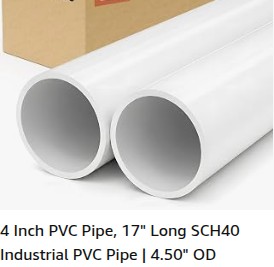
4-inch Schedule 40 PVC Pipe #2

4-inch Schedule 40 PVC Pipe

Subwoofer enclosures

Standard pipe works. Really. It kills the noise.

Pros

  • Inexpensive
  • Easy to cut
  • Durable

Cons

  • Needs sanding
  • Can resonate if not treated
View on Amazon
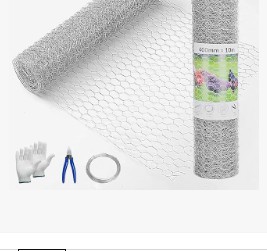
Speaker Grills Mesh #3

Speaker Grills Mesh

Satellite speakers

Save your drivers. Finish the speaker look. It matters.

Pros

  • Protects tweeters
  • Improves aesthetics
  • Acoustically transparent

Cons

  • Can add slight high-frequency roll-off
View on Amazon

Required Tools and Materials

You cannot build this sound system without the right parts. Start with a subwoofer for deep bass and two satellite speakers for the rest.

Grab four inches of PVC for the main box. Use two-inch pipes for the smaller speakers. This sizing matters more than you think.

Buy a 2.1 amplifier kit and a Bluetooth module. You also need a power supply, a hacksaw, and a soldering iron.

Cheap components ruin the project. Crackle and dropped connections are the norm with low-end gear. Spend money on quality.

Cutting and Preparing the PVC Enclosure

Precision is the difference between muddy noise and rich sound. Stop guessing with lengths. Measure twice, then cut.

A PVC cutter makes clean, square edges. Rough cuts ruin the tone. Keep it tight.

Sand every edge until it feels smooth. Sharp burrs scratch your skin and look cheap. Mark the centers carefully. A hole saw gives perfect circles for tweeters and subs.

Clear the dust. Plastic shavings kill adhesive strength. Wipe the inside with a damp cloth.

Do it right or don't bother.

Wiring Guide for Amplifier and Speakers

Solder those wires to the amplifier. Match the red wire to the positive terminal. Get this wrong and you will hear a hollow, phasey sound.

Plug the sub into the dedicated output. Attach the satellite speakers to the left and right channels.

Skip Bluetooth? Solder an external receiver directly to the input pins. It is faster and more reliable than buying a new amp.

Wrap every solder joint in heat shrink tubing. Heat shrink prevents short circuits that could fry your gear.

Glue the components inside the PVC box. Do not seal the amp completely. It needs to breathe.

Acoustic Tuning and Sealing for Bass

Tuning transforms a hollow tube into a resonant chamber. You must seal every joint with silicone caulk.

Leaky joints kill bass efficiency. They cause annoying rattles that ruin your mix.

Stuff foam inside the enclosure. It eats standing waves and tames unwanted resonance.

Blow into the pipe to test your work. Any hiss means you missed a spot.

Re-seal until it is airtight.

Proper sealing forces all energy through the drivers.

This makes the sound tighter. It feels more controlled.

Skip this step and your audio will sound muddy.

Finishing Touches: Painting and Assembly

Paint makes a DIY speaker look legit. Skip the cheap latex. Use spray paint made for plastic and prime the surface first. Thin coats beat thick globs every time.

Grills protect your drivers from fingers and dust. Mesh works fine. Just check that your sound isn't getting choked.

Plug it in and blast some music. Rock, jazz, hip-hop. Listen closely for distortion. If the bass rumbles weirdly, tweak the gain.

It actually sounds good.

Turn the volume up. Crank it. If the speakers survive, you built a winner.

Need help?

Frequently Asked Questions

Can I use any PVC pipe for a speaker enclosure?

Stick to Schedule 40 or 80 PVC. It holds up better. Clean the pipe inside. No dirt, no flaws. Skip any pipe that held chemicals. Ever.

What is the best amplifier kit for a DIY Bluetooth speaker?

Skip the fluff. Grab a Class D amp with Bluetooth. The TPA3116D2 is a solid choice. Check the wattage. It must match your drivers. Impedance matters too. Get the resistance right or sound fails.

How do I prevent rattling in my PVC speaker?

Sealant on the edges locks the driver in place. Keep wires away from the walls. Damping material kills the vibration. No rattle.

Is it safe to solder wires inside a PVC enclosure?

Use heat shrink on every joint. Ventilation matters. The amp needs breath. Keep PVC from melting. Protect the components. Simplicity works best.

Can I make the speaker waterproof?

Slather every joint in silicone. Grab waterproof grills. Shield those circuits. Don’t dunk it. Only submerge if the manual says so.

How do I tune the bass response of my subwoofer?

Tweak the box size and port length. Add damping to tighten the bass. Bigger boxes go deeper. But they get messy fast.